
Turning Stone into Nickel | Pengfei's Global Nickel Mine Map
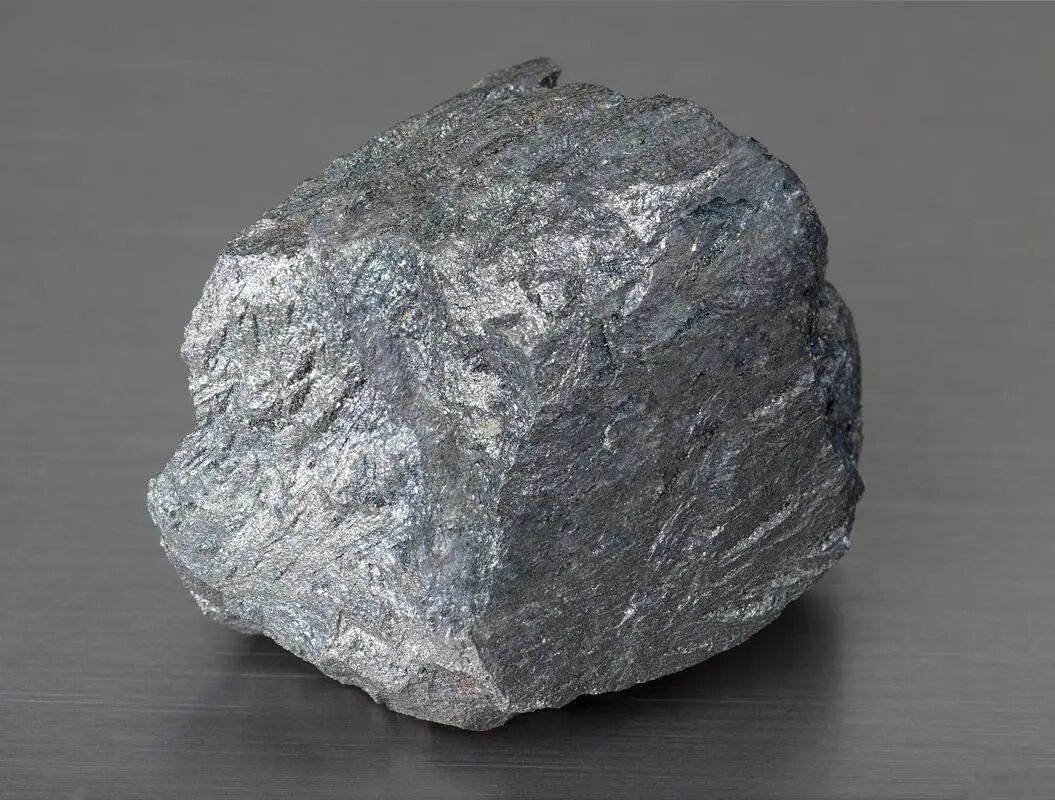
Nickel ore refers to a mineral aggregate containing nickel and having industrial mining value; it is the main raw material for extracting metallic nickel. As an important strategic metal, nickel is widely used in stainless steel manufacturing, alloy materials, electroplating industry, and new energy batteries due to its excellent mechanical strength, ductility, corrosion resistance, and magnetism.
(Image source: Internet)
PART 01Material characteristics
Mineral morphology
Nickel ore exists in nature primarily in two forms: nickel sulfide ore and nickel oxide ore. Nickel sulfide ore is one of the most important types of nickel ore, where nickel exists mainly as sulfides. Common minerals include pyrite and sulphite. Nickel sulfide ore is usually associated with valuable elements such as copper, iron, cobalt, and platinum group metals, and has a relatively high nickel grade, making it suitable for large-scale mechanical beneficiation. Nickel oxide ore, also known as laterite, is currently the main body of global nickel resources, accounting for more than 60% of global reserves. This type of deposit is mainly formed by the long-term weathering and leaching of ultramafic rocks in tropical or subtropical climates. Nickel oxide ore typically has high iron content and low silicon and magnesium content, with a nickel grade generally between 1% and 2%. Because nickel is often dispersed in gangue minerals in an isomorphous form, it is difficult to enrich through mechanical beneficiation and is usually smelted directly.
Physicochemical properties
There are approximately 50 known nickel-bearing minerals in nature, but the main ones with industrial value are pyrite, goethite, salicornite, and nickel silicate. Pyrite is the most important mineral in nickel sulfide ores, with a theoretical nickel content of up to 34.22%. It is usually bronze-yellow in color, has a metallic luster, and is relatively soft. It often occurs in association with pyrrhotite and chalcopyrite. Goethite usually occurs as needle-like or fibrous aggregates, containing about 5% nickel. Salicyrite, also known as red arsenic nickel ore, is mainly composed of nickel arsenide, containing about 43.9% nickel, and usually occurs as a dense mass. Nickel silicate is the main mineral in nickel oxide ores. It is a hydrous silicate mineral, often green or white, with low iron content and high silica and magnesium content.
PART 02 Resource Distribution
Global Overview
Global nickel ore resources are abundant, but their distribution is extremely uneven. According to data from the U.S. Geological Survey, global nickel reserves are approximately 130 million tons. Resource distribution is highly concentrated, mainly in the tropical and subtropical regions of the Pacific Rim. Laterite nickel ore is mainly distributed in Indonesia, the Philippines, New Caledonia, Cuba, and Brazil. Among them, Indonesia has the largest reserves, accounting for more than 40% of the global total. Sulfide nickel ore is mainly distributed in high-latitude regions, such as Siberia in Russia, Ontario in Canada, and Western Australia.
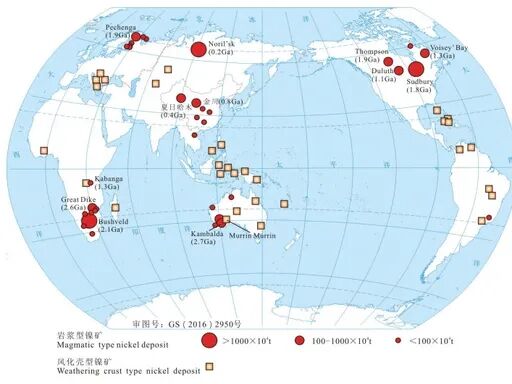
Global nickel ore type distribution map (red dots: laterite nickel ore, brown dots: nickel sulfide ore)
Current situation in China
China's nickel ore resources are relatively scarce, with reserves of only about 4.4 million tons, accounting for about 3% of the global total. The distribution of China's nickel ore resources exhibits a "rich in the north, poor in the south" pattern. The Jinchuan nickel ore belt in Gansu Province is China's largest nickel ore base, accounting for more than 62% of the national reserves, followed by Xinjiang, Yunnan, Jilin, and other regions. China's nickel ore is mainly sulfide nickel ore, accounting for more than 90% of the national total reserves, while laterite nickel ore reserves account for only about 10%. Furthermore, most of China's nickel ore is low-grade, buried deep, and has high mining costs, making it difficult to meet the rapidly growing domestic demand. Therefore, China is the world's largest importer of nickel ore.
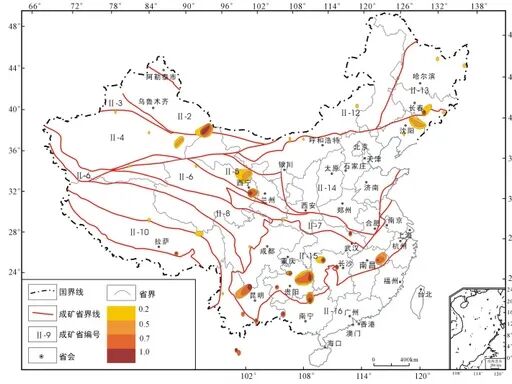
Map showing the distribution of nickel ore resources in China (Image source: Internet)
PART 03Production process
Nickel sulfide ore smelting
The smelting of nickel sulfide ores primarily employs a pyrometallurgical process. After crushing and flotation to obtain nickel concentrate, the ore is typically smelted using matte smelting and converter blowing processes. The nickel concentrate reacts with flux in a smelting furnace to produce low-nickel matte, which is then smelted in a converter to remove most of the sulfur and iron, yielding high-nickel matte. The high-nickel matte is further refined to obtain metallic nickel or nickel sulfate. This process is mature and can comprehensively recover associated copper, cobalt, and platinum group metals.
Nickel oxide ore smelting
The smelting of nickel oxide ore mainly involves two processes: pyrometallurgical and hydrometallurgical. Pyrometallurgical smelting primarily utilizes coke or coal as a reducing agent to reduce nickel oxide to metallic ferronickel at high temperatures. The mainstream process is the rotary kiln-electric arc furnace method, which is suitable for processing lateritic nickel ore of the limonite type with high nickel content and low iron content. After drying and pre-reduction in the rotary kiln, the ore enters the electric arc furnace for reduction smelting, directly producing ferronickel, mainly used in stainless steel production. In recent years, to meet the demand for battery-grade nickel sulfate, the pyrometallurgical process has also developed a route for producing high-grade nickel matte and then preparing nickel sulfate. Hydrometallurgical smelting utilizes acid to leach nickel and cobalt from the ore under high temperature and pressure, and then recovers the metal through extraction, precipitation, and other steps. High-pressure acid leaching is the mainstream hydrometallurgical process, suitable for processing lateritic nickel ore with low nickel content and high iron and low magnesium content. Its products are usually nickel cobalt hydroxide or nickel sulfate, which are key raw materials for the production of ternary lithium-ion battery cathode materials. The hydrometallurgical process has advantages such as low energy consumption, high metal recovery rate, and comprehensive cobalt recovery.
PART 04 Application Areas
Industrial manufacturing
Stainless steel is the largest consumer of nickel, accounting for approximately 60% to 70% of global nickel consumption. Nickel significantly improves the corrosion resistance, strength, and toughness of steel, and is a key alloying element in austenitic stainless steel. In addition, nickel is widely used in the manufacture of high-temperature alloys for high-temperature components in aerospace engines, gas turbines, and other applications; it is also used in the manufacture of non-ferrous alloys for corrosion-resistant chemical equipment and precision instruments. Nickel is also used in electroplating, catalysts, and permanent magnet materials.
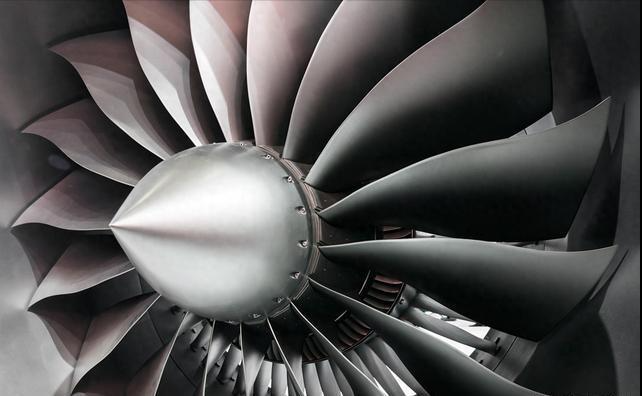
Aircraft engine fan (Image source: Internet)
New energy industry
With the rapid development of new energy vehicles, nickel is playing an increasingly important role in the battery field. Nickel is used to manufacture ternary cathode materials; the higher the nickel content, the higher the energy density of the battery. High-nickel content has become an industry trend. Nickel sulfate is a direct raw material for producing ternary precursors, and high-purity nickel sulfate produced by hydrometallurgical processes is currently one of the core products in the industrial chain. The application of nickel in the new energy industry has driven the rapid development of laterite nickel ore hydrometallurgical technology.
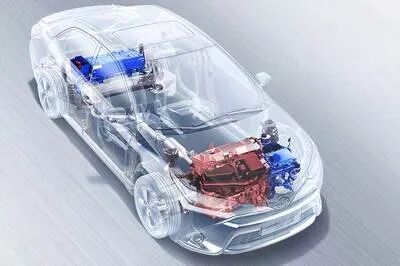
Applications of nickel in the field of new energy vehicles
Pengfei Group Nickel Ore Rotary Kiln
From φ4.4 meters to φ5.8 meters, from domestic nickel companies to countries along the "Belt and Road" such as Indonesia and Vietnam, Pengfei Group's nickel ore rotary kilns are operating stably on the global laterite nickel ore RKEF production line.
As of 2025, Pengfei Group has delivered more than 350 sets of nickel ore rotary kilns to the global market, serving customers including leading companies in the industry, national engineering companies and international mining groups.
I. Global Expansion: Full Coverage of Three Core Markets
Pengfei Nickel Mine's rotary kiln has formed a comprehensive layout covering domestic, Indonesian, and other international markets:
Indonesian market: It ranks first in overseas shipments, covering major nickel mining areas such as Obi Island, Morowali, Sulawesi, and Halmahera.
Domestic market: Serving major nickel-iron industry belts such as Jiangsu, Fujian, Guangdong, Guangxi, Shandong, Liaoning, and Inner Mongolia.
Other international markets: Products are exported to Vietnam and many other countries and regions.
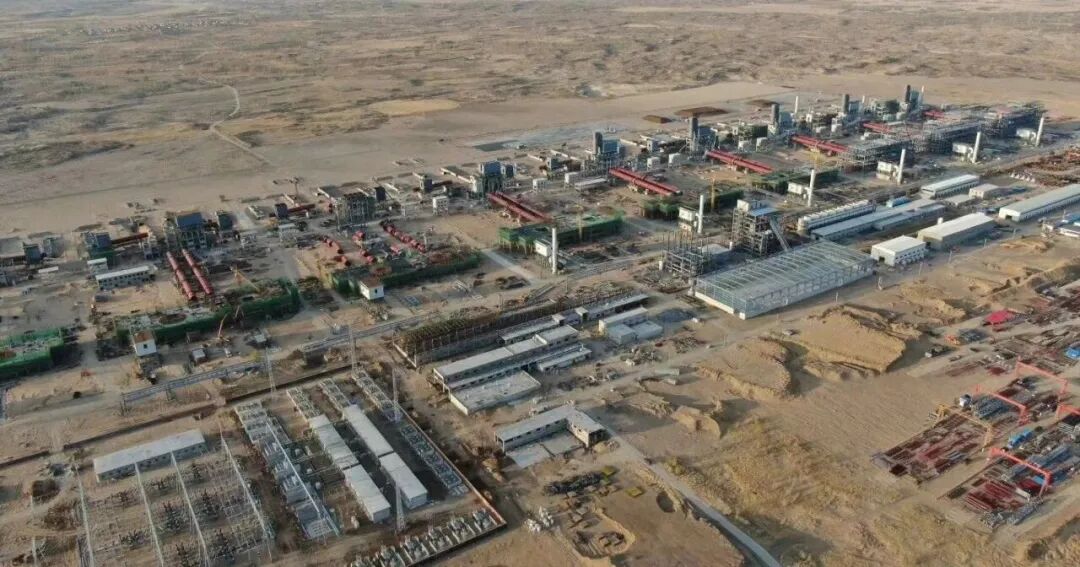
Pengfei provided rotary kiln equipment (18 production lines, Φ4.8x100m roasting kiln and Φ4.5x45m drying kiln) for a 600,000-ton-per-year nickel-iron project in Inner Mongolia.
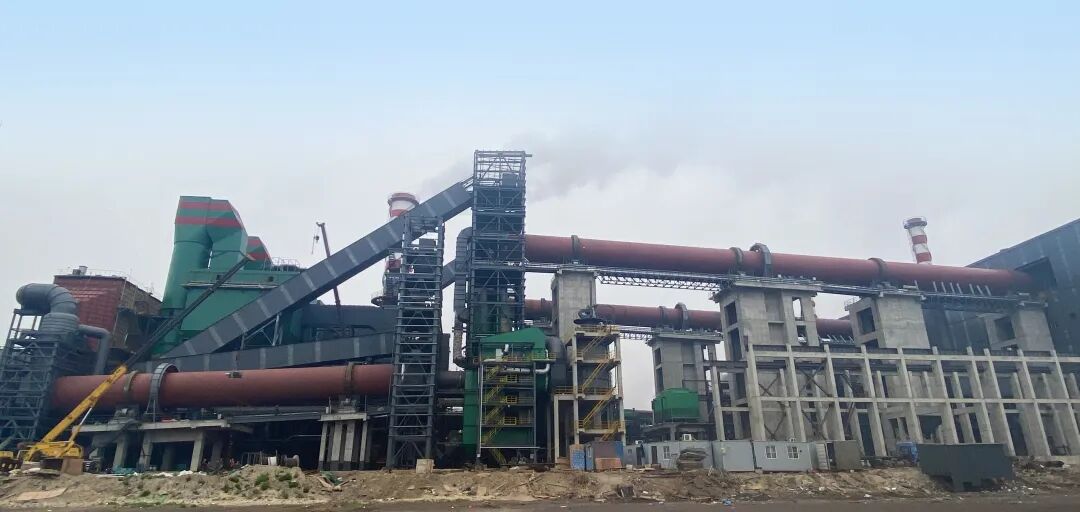
Tangshan Kaiyuan has two sets of Φ5.5x115m mash kilns and Φ5.0x50m drying kilns.
II. Specification Upgrade: φ5.8m Super-Large Kiln Leads the Industry
Pengfei Nickel Mine's rotary kiln specifications continue to break through, forming a series of large-scale product matrices.
Among them, the Φ4.8m series is Pengfei's absolute main model, with a cumulative shipment of over 80 units, and is recognized in the industry as the "standard kiln for laterite nickel ore roasting." Based on the RKEF's iterative needs for laterite nickel pyrometallurgical processes, the company pioneered the industrialization of φ5.5m and φ5.8m ultra-large diameter, ultra-long rotary kilns. The φ5.8×130m and φ5.8×125m ultra-large nickel roasting kilns broke the overseas equipment monopoly and became the standard models for ultra-large production lines in the industry. In addition, the company simultaneously developed high-efficiency roasting kilns, defluorination and chlorination-specific rotary kilns, and other specialized kiln types, adapting to diverse smelting scenarios such as nickel-iron, high-grade nickel matte, and wet precursor pretreatment, thus perfecting its full-category nickel kiln product portfolio.
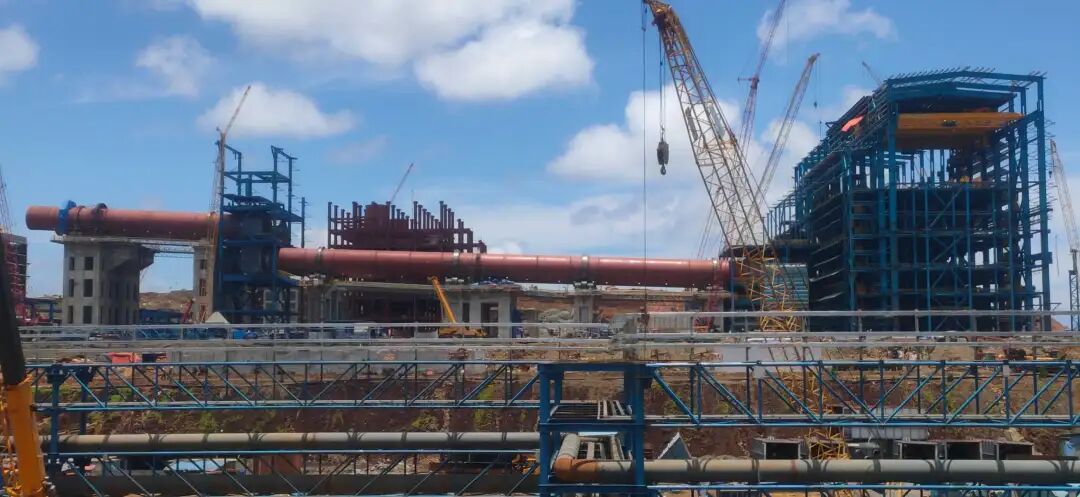
Pengfei manufactured 14 sets of Φ5.8×125m laterite nickel ore rotary kilns, which were exported to Indonesia.
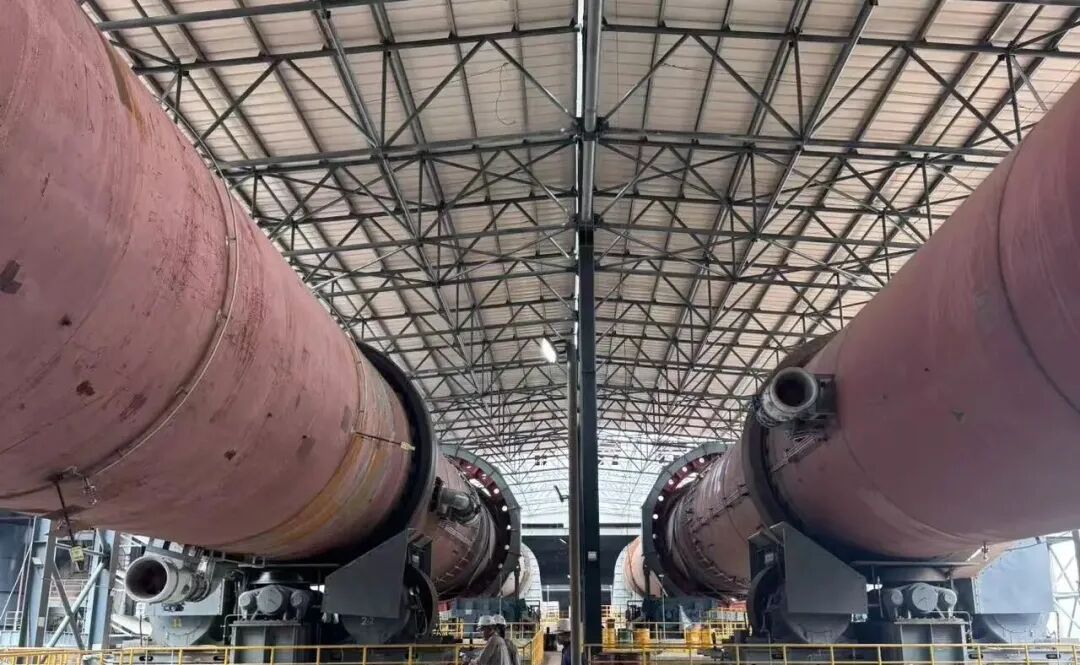
Rotary kiln (Φ5.5×115m) and drying kiln (Φ5.5×53m) for the China ENFI Indonesia MMP nickel-iron project
III. Benchmark Case: The "Pengfei Imprint" in Indonesia
Indonesia is a core production area for laterite nickel ore globally, and also the region with the most concentrated overseas performance of Pengfei Nickel Mine's rotary kilns. Products are widely deployed in major nickel industrial parks in Indonesia, with large and medium-sized rotary kilns going into production in large quantities, supporting the construction of RKEF's nickel-iron and new materials production lines. A large number of domestically produced kilns have been deployed overseas, realizing the large-scale overseas application of metallurgical equipment.
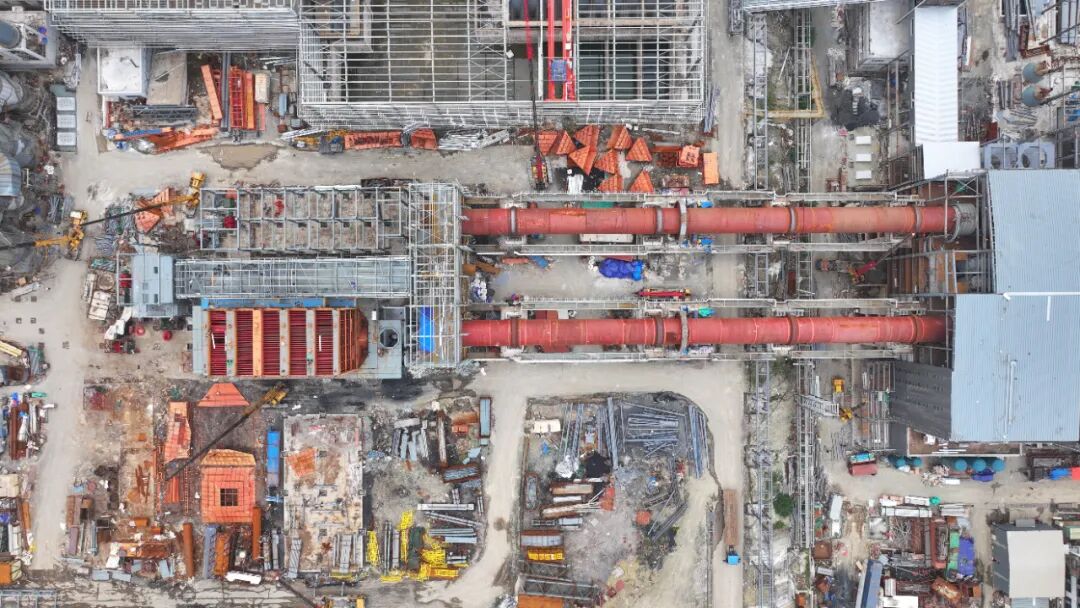
For Zhongwei's first nickel matte production line in Indonesia, Pengfei Group provided 6 sets of Φ5.5x110m roasting kilns and Φ5.0x45m drying kilns.
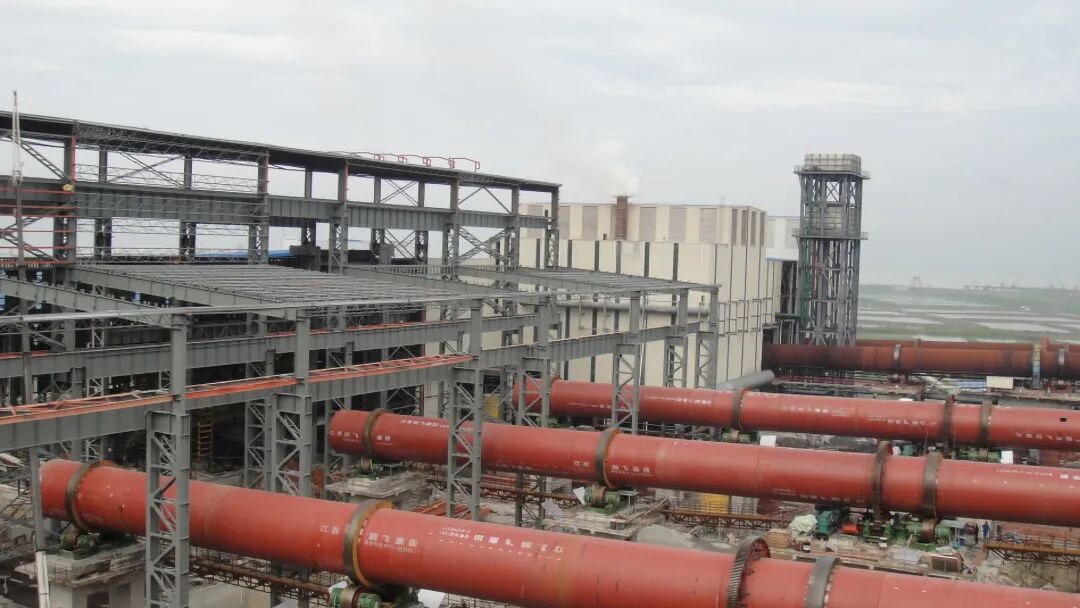
Delong Nickel Industry's 20 Nickel Ore Rotary Kiln Production Line Project Site
IV. Building Confidence: The Core Strength of Individual Champions
Pengfei Group's ability to continuously deliver world-class nickel ore rotary kilns is underpinned by a complete system encompassing R&D, manufacturing, and services .
Manufacturing capacity: Annual machining capacity of 300,000 tons , equipped with a 13-meter diameter vertical lathe, a 12-meter gear hobbing machine, and a maximum lifting capacity of 400 tons .
Product Certifications: Pengfei Rotary Kiln has won the titles of "China Famous Brand Product", "National Manufacturing Single Champion" and "China Well-known Trademark".
Service model: From single-unit supply to EPC general contracting, providing full life-cycle services from design and manufacturing to installation, commissioning, operation and maintenance training.
V. Looking to the Future: Continuing to Lead the Global Nickel Mining Equipment Market
As a national service-oriented manufacturing demonstration enterprise and a model enterprise for international production capacity cooperation under the "Belt and Road" initiative , Pengfei Group will continue to promote:
Larger-scale : Continuously developing larger-scale nickel ore rotary kilns to reduce customer unit investment costs.
Intelligentization : Introducing intelligent monitoring and control systems to improve equipment operational reliability.
Green practices : Optimizing sealing and insulation technologies to help customers save energy and reduce consumption.

